

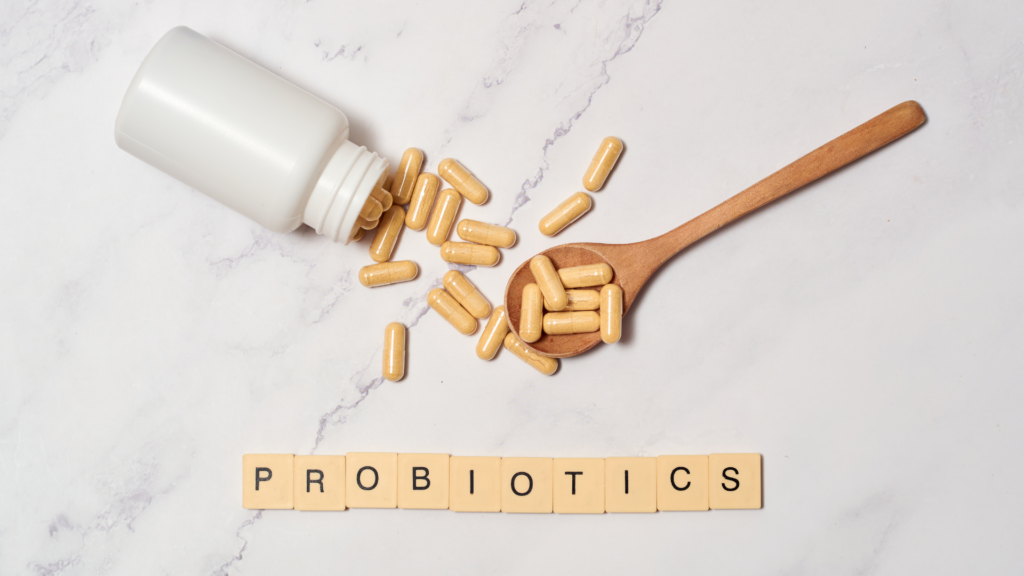

If you’ve ever picked up a bottle of probiotics and wondered, “When am I actually supposed to take this?” that’s a fair question. The goal is helping those live bacteria survive the acidic environment of your stomach and reach your intestines where they can do their job. Just as important is taking them consistently enough for your body to benefit.
What Probiotics Do in the Body
Probiotics support microbial balance in the gut, which influences digestion, immune response, and hormone regulation. For women, this balance extends beyond the intestines. We’re learning more each year about how closely vaginal health is tied to the balance of its natural bacteria. Certain Lactobacillus strains play a key role in keeping the vaginal environment protective, which supports local immunity and lowers the chance of common vaginal infections.
Some research suggests probiotics may help reduce the risk of bacterial vaginosis and ease symptoms that can happen during menopause. Scientists are also continuing to study how the vaginal microbiome may connect to cervical cell health.
Why Timing Can Influence Results
The stomach’s low pH is designed to break things down, including beneficial bacteria. Food can act as a buffer, softening the acidic environment and increasing the chance that more bacteria survive the trip to the intestines. Conversely, highly acidic drinks like coffee on an empty stomach can make survival harder for certain probiotic strains.
Dealing with persistent digestive or vaginal symptoms?
Get a professional evaluation to see if probiotics are the right solution for you. $59 virtual visits.
Start Your ConsultationMorning vs. Night: Finding Your Routine
Morning works well for many women because it becomes a habit. Taking them with a breakfast that includes fat and protein helps buffer stomach acid. However, nighttime can work just as well, especially for those who skip breakfast. Consistency often improves when you take them at the same time you take other vitamins. What matters most is that you take them regularly enough to allow colonization.
When Probiotics Aren't Enough
If you are dealing with persistent bloating, constipation, or frequent UTIs, probiotics may only be part of the picture. At QuickStop Health, we look at the full context—including hormones and medical history—to find the underlying cause.
Research Source: [1] Mei Z, Li D. The role of probiotics in vaginal health. Frontiers in Cellular and Infection Microbiology. 2022;12:963868.