
Online STD Testing and Treatment in California
Burning.
Unusual discharge.
Pelvic discomfort.
Or no symptoms at all, just concern.
You do not have to delay care or sit in a waiting room. At QuickStop Health, we offer discreet, professional clinical support so you can get the answers and treatment you need without the wait.
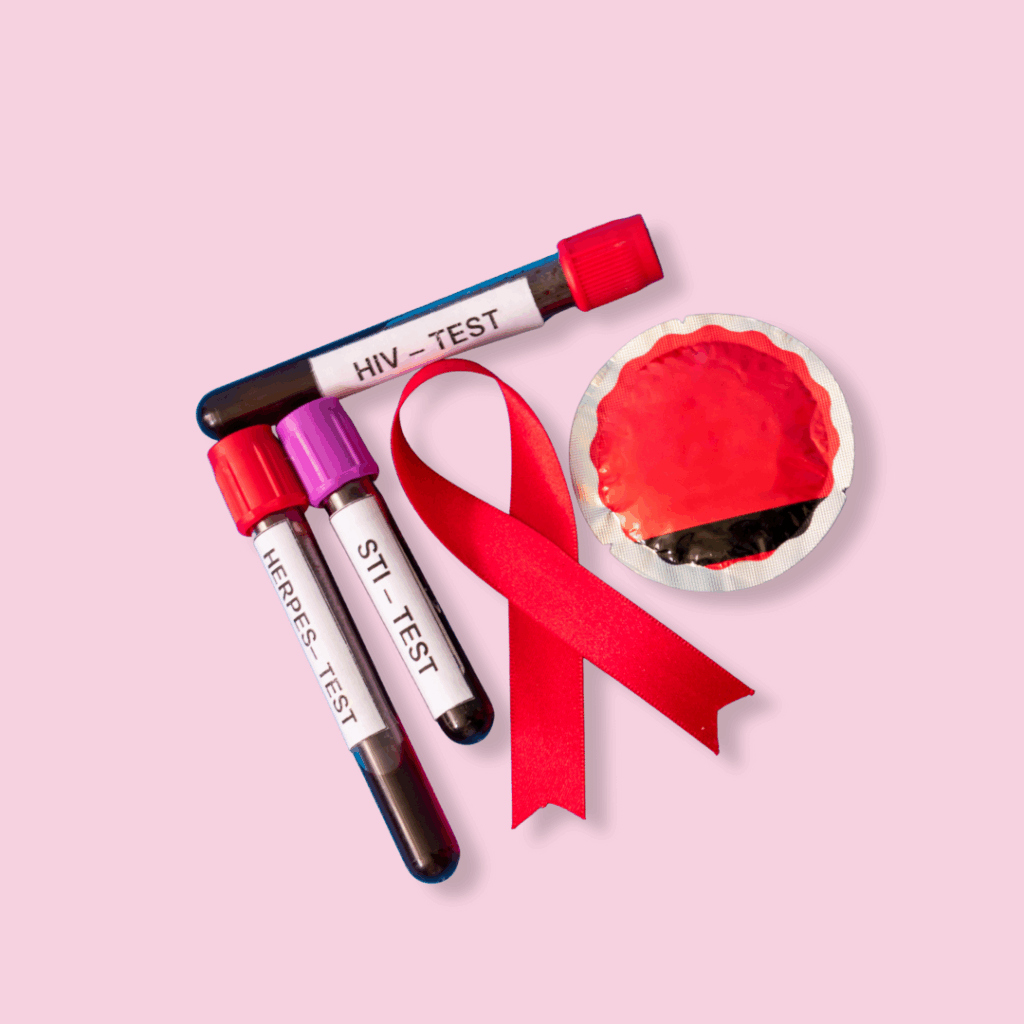
What Is a Sexually Transmitted Disease (STD)?
Sexually transmitted diseases are infections passed through sexual contact.
Some STDs cause noticeable symptoms. Others cause none at all.
If untreated, certain infections can lead to pelvic inflammatory disease, fertility issues, or chronic discomfort.
Early evaluation helps protect your health and your partner’s health.
Are You Experiencing These Symptoms?
You may want evaluation if you notice:
Some infections do not cause symptoms. If you had a recent exposure or new partner, testing may still be recommended.
Do I Qualify for Online STD Treatment?
Online evaluation may be appropriate if:
- You are 18 or older
- Your sex assigned at birth was female
- Your symptoms are mild to moderate
- You are not experiencing severe pelvic pain or high fever
If lab testing is required, your provider will guide you clearly.
If your symptoms suggest something more serious, we will recommend in person care right away.
If you are unsure, start the visit. We will guide you.
How Online STD Testing & Treatment Works in California
- Book Online
We’ve made getting started quick and private. You’ll complete a secure intake form and confirm your payment before moving forward.
- Consultation
You’ll meet with a licensed U.S. provider from anywhere in California, and this is your time to speak freely and feel heard.
- Get Personalized Care
After your appointment, your provider will offer a diagnosis (if needed) and walk you through next steps.

- Possible STD Treatment Options
Treatment depends on your symptoms, test results, and medical history.
If clinically appropriate, your provider may prescribe medication for infections such as:
- Chlamydia
- Gonorrhea
- Trichomoniasis
- Certain bacterial infections
Most sexually transmitted infections require laboratory confirmation before treatment. Your provider will explain whether testing is needed and how to complete it.
If medication is appropriate, prescriptions are sent electronically to your preferred pharmacy.
We prescribe responsibly and only when medically necessary.
How STDs Are Treated
Many bacterial STDs are treated with antibiotics. Viral infections may require antiviral medication or long-term management.
Your provider selects treatment based on:
- Your symptoms
- Test results
- Allergies
- Medical history
- Current medications
Not every patient needs medication. Not every infection is treated the same way.
You will receive clear guidance on your diagnosis and next steps.

Why Early Treatment Matters
Untreated STDs can lead to:
- Pelvic inflammatory disease
- Fertility complications
- Chronic pelvic pain
- Increased risk of future infections
Sexual health concerns can be stressful, but getting help shouldn’t be. Our streamlined women’s health services are designed to provide fast, private medical guidance.
If you are concerned, it is better to get evaluated now.
Frequently Asked Questions About Online STD Care
Can I get STD treatment online in California?
Yes. Our licensed California providers can evaluate your symptoms, order local lab testing if necessary, and prescribe treatment for common STDs entirely online.
How much does an online STD consultation cost?
The virtual visit is a transparent, flat fee of $59. This does not include the cost of outside lab work or the pharmacy medication, but no insurance is required for the consultation itself.
What STDs can be treated via telehealth?
We can evaluate and provide treatment options for common infections including Chlamydia, Gonorrhea, Trichomoniasis, and Genital Herpes, depending on your specific symptoms and test results.
Is my online STD visit confidential?
Absolutely. Your privacy is our top priority. All consultations are strictly confidential, HIPAA-compliant, and your prescriptions are sent discreetly to the pharmacy of your choice.